PLEASE NOTE — THIS IS EDUCATIONAL CONTENT ONLY. The guidance and resources available on this site are designed to help you understand household budgeting principles and expense management. They are not a substitute for personalized financial advice from a qualified professional who understands your unique circumstances, income, and local regulations. Always verify information independently and consult with a licensed financial advisor before implementing any strategy that affects your household budget or financial decisions.
Thrift Hub Logo Thrift Hub Contact Us
Contact Us
Savings Strategies

Building Savings When Money Is Tight

Even small amounts add up. Discover realistic ways to save for emergencies and goals without depriving your family of necessities.

11 min read Intermediate April 2026
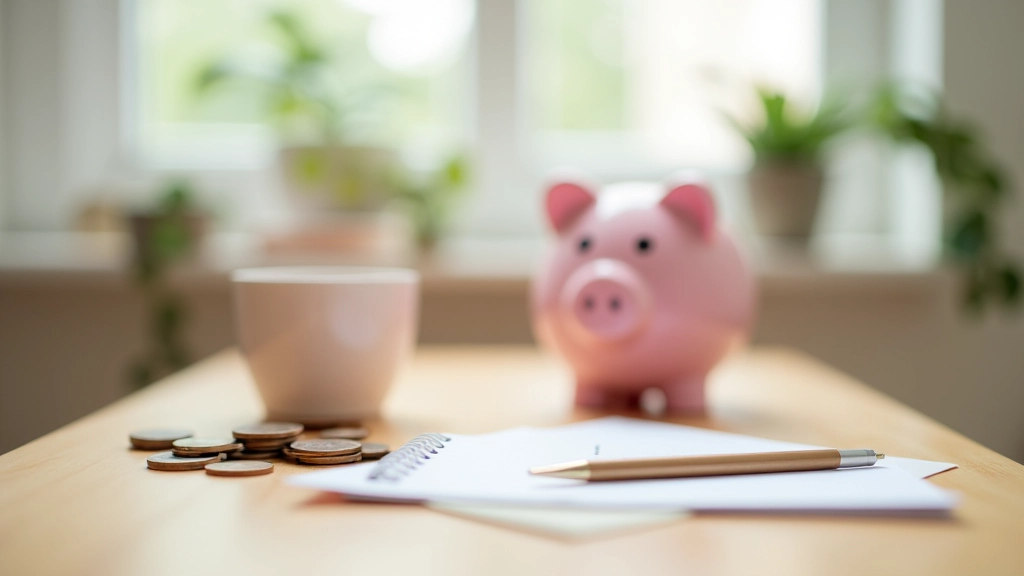
Piggy bank on desk next to savings journal and coins scattered around

Let’s be honest. When you’re living paycheck to paycheck, the idea of “building savings” sounds impossible. You’re juggling rent, groceries, utilities, and a dozen other expenses that never seem to stop coming. Where’s the money supposed to come from?

The answer isn’t about finding extra money you don’t have. It’s about being intentional with what you do have. Even HK$100 or HK$200 per month adds up faster than you’d think — especially when it’s consistent. We’re not talking about extreme sacrifice or cutting out everything enjoyable. We’re talking about realistic, sustainable savings that actually fit your life.

Start With What You’re Already Spending

Before you can save anything, you need to see where your money actually goes. Most people guess wrong. They think they spend HK$2,000 on food but it’s really HK$2,800. Or they’re surprised to find HK$500 disappearing on small purchases they don’t remember making.

Track your spending for two weeks — not forever, just fourteen days. Write it down or use your phone. Every coffee, every MTR fare, every grocery trip. You’re not trying to be perfect here. You’re just trying to see the truth. Once you see where the money goes, you can make real decisions about where to adjust.

Most families find HK$200-400 per month they didn’t realize they were spending. That’s not cutting essentials. That’s just being aware. Small leaks — a subscription you forgot about, a daily drink you didn’t track, convenience purchases that add up — these are where the gaps are.


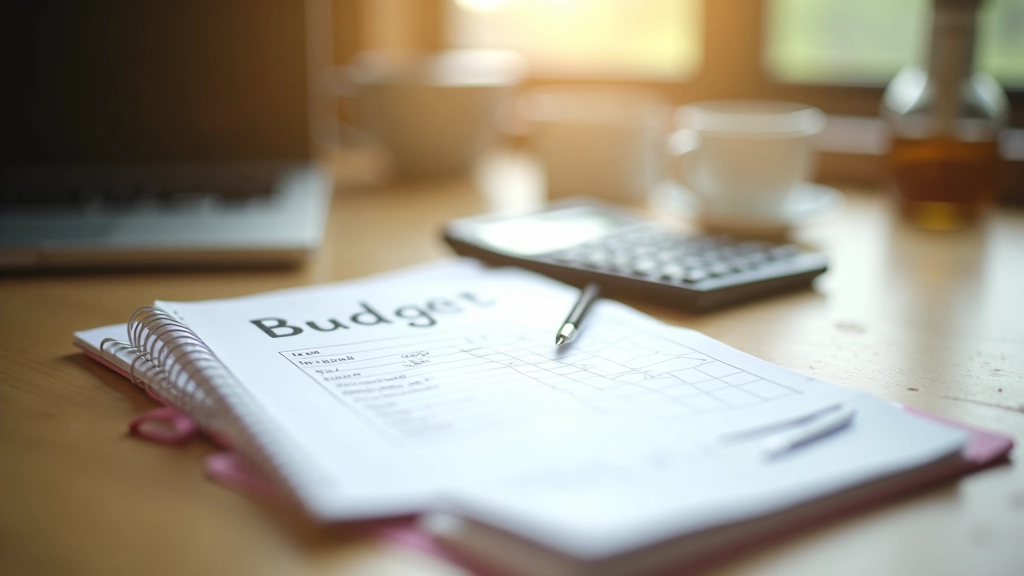
Notebook with expense tracking and pen on wooden table with morning light
Piggy bank and coins on desk with budgeting calendar in background

The Automatic Transfer Strategy

Here’s what actually works: Set up an automatic transfer on the day you get paid. Not at the end of the month when you’re hoping there’s something left. The day the money arrives. Even HK$100 counts.

Why automatic? Because it removes the decision-making. You’re not fighting yourself every day about whether to save. The money moves before you see it as “available” to spend. This psychological trick is powerful — people who automate their savings save three times more than people who try to save manually.

Start with whatever feels doable. HK$150? Perfect. HK$300? Great. HK$50? That’s fine too. The amount doesn’t matter as much as the consistency. After a few months, when you’ve adjusted to that amount, increase it slightly. Most people can gradually build up to saving HK$500-800 monthly without feeling deprived.

Building an Emergency Fund (The Right Way)

An emergency fund isn’t a luxury for rich people. It’s insurance for everyone. When the washing machine breaks or you miss a day of work due to illness, an emergency fund is what keeps you from going into debt.

You don’t need HK$10,000 right away. Your first goal is HK$1,000. This covers most common emergencies — medical expenses, unexpected repairs, temporary job loss. It’s a safety net. Once you reach HK$1,000, that’s a massive psychological win. You’ve proven you can do it.

Keep this money in a separate savings account — not your regular account where you might accidentally spend it. Most Hong Kong banks offer savings accounts with decent interest rates, especially for amounts under HK$100,000. Even a 1.5% interest rate on HK$5,000 gives you HK$75 per year just for having the money sit there.

The timeline doesn’t matter. If it takes you six months or a year to build HK$1,000, that’s fine. You’re still ahead of where you started.

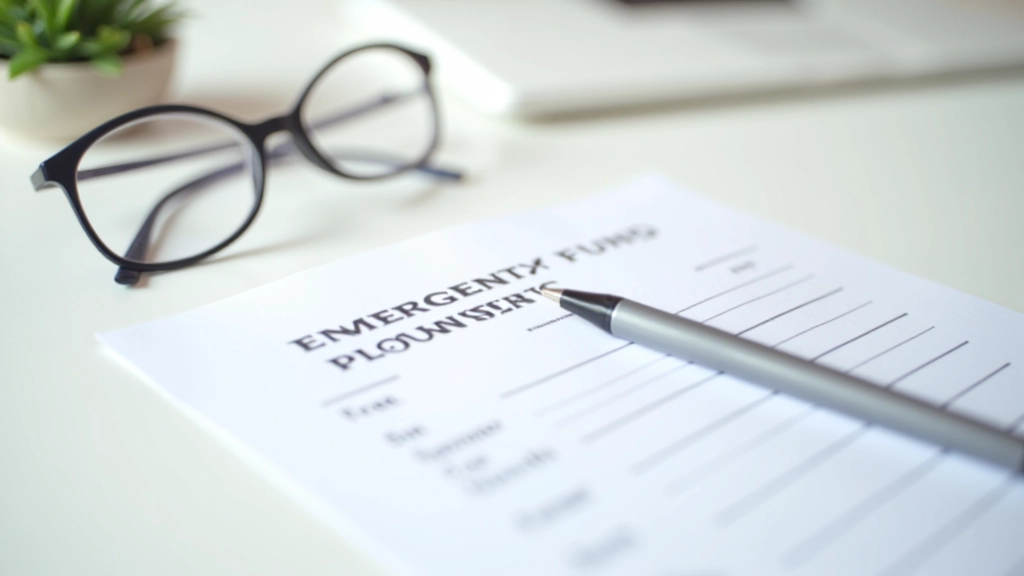
Emergency fund planning document with savings goals checklist
Michael Wong

Author

Michael Wong

Senior Financial Education Specialist

Financial education specialist with 14 years of experience helping Hong Kong families master household budgeting and savings strategies.

Educational Information

This article provides educational information about personal savings strategies and household budgeting. It’s designed to help you understand general principles of financial planning. The specific strategies and amounts mentioned are examples — your situation is unique, and what works for one family may need adjustment for another. Consider consulting with a qualified financial advisor for guidance specific to your circumstances. Every household’s financial situation is different, and circumstances change. This information is current as of April 2026 but should be reviewed periodically.

Small Steps, Real Progress

Saving money when you’re tight on cash isn’t about willpower or deprivation. It’s about being deliberate with what you have. You’re not trying to become rich overnight. You’re trying to create a safety net and some breathing room in your budget.

Start with tracking. Then set up that automatic transfer. Build your first HK$1,000 emergency fund. These aren’t revolutionary steps, but they work. Thousands of Hong Kong families have done exactly this and gone from feeling stressed about money to feeling in control.

Your first HK$100 saved is worth celebrating. Your first HK$1,000 is a real achievement. And once you’ve built that, you’ll see that saving is possible — even when money’s tight. The hardest part isn’t the sacrifice. It’s believing you can actually do it. You can.