

Building Your First Family Budget in Hong Kong
Step-by-step approach to creating a realistic budget that accounts for Hong Kong’s unique cost structure.
Read moreFrom wet market shopping to meal planning, learn practical tactics to feed your family well without spending a fortune on groceries.

Feeding a family in Hong Kong doesn’t mean eating instant noodles every night or spending half your salary on groceries. It’s really about being smart with what you buy and planning ahead. We’re going to walk you through concrete strategies that actually work — whether you’ve got three kids or it’s just two of you.
The good news? Most families can cut their food costs by 20-30% without sacrificing nutrition or eating the same bland meals repeatedly. It takes a bit of planning, but once you’ve got the system down, shopping becomes way faster and less stressful.
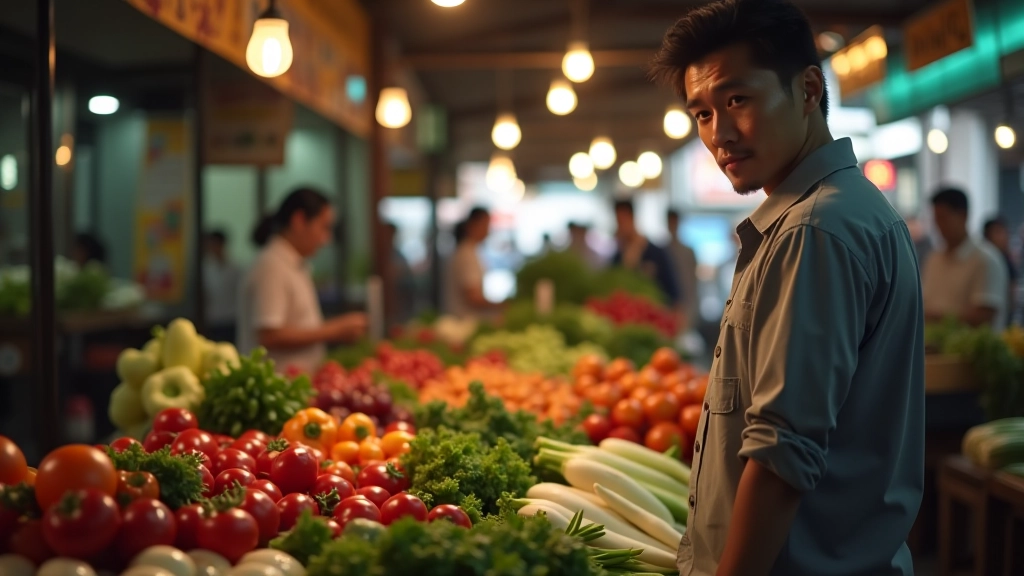
Here’s what most people get wrong: they think supermarkets are cheaper because of the shiny branding and sales signs. But the wet markets — like those in Mong Kok or Central — they’re where the real deals are hiding. Vegetables there cost about 30-40% less than supermarket prices, and the produce is fresher because it’s sold the same day it’s delivered.
The key is timing. Go early — around 7 or 8 AM — when vendors have the best selection. If you show up after 3 PM, you’ll find picked-over vegetables and less choice. And don’t be shy about asking for a discount on bulk purchases. Many vendors will knock 10-15% off if you’re buying three heads of bok choy instead of one.
For packaged goods and items you can’t find fresh — rice, oil, sauces, frozen stuff — supermarkets make sense. But for your daily vegetables, proteins, and seafood? Wet markets are non-negotiable if you want to keep costs down.

This is the single biggest money-saver most families miss. Instead of deciding what to eat and then shopping, flip it backwards. Check what’s on sale this week, see what vegetables are in season, then build your menu around that.
In March and April, bok choy and Chinese broccoli are cheap — perfect time to make stir-fries 2-3 times a week. Summer brings affordable leafy greens. Winter is when root vegetables and cabbage shine. You’re not eating boring food; you’re eating what’s naturally abundant (and therefore affordable) that time of year.
Spend 15 minutes on Sunday planning your seven dinners. Write down exactly what you’ll make each night. This prevents impulse buys at the supermarket and means you won’t waste money on ingredients that go bad. You’ll also stop the “what’s for dinner?” panic at 5 PM that leads to expensive takeout orders.
Pro tip: Keep a list of 8-10 go-to meals your family actually enjoys. Rotate through them. It sounds repetitive, but it’s not — you’re just mixing and matching ingredients in different ways. Chicken with rice one night, chicken fried rice another, chicken noodle soup the next.

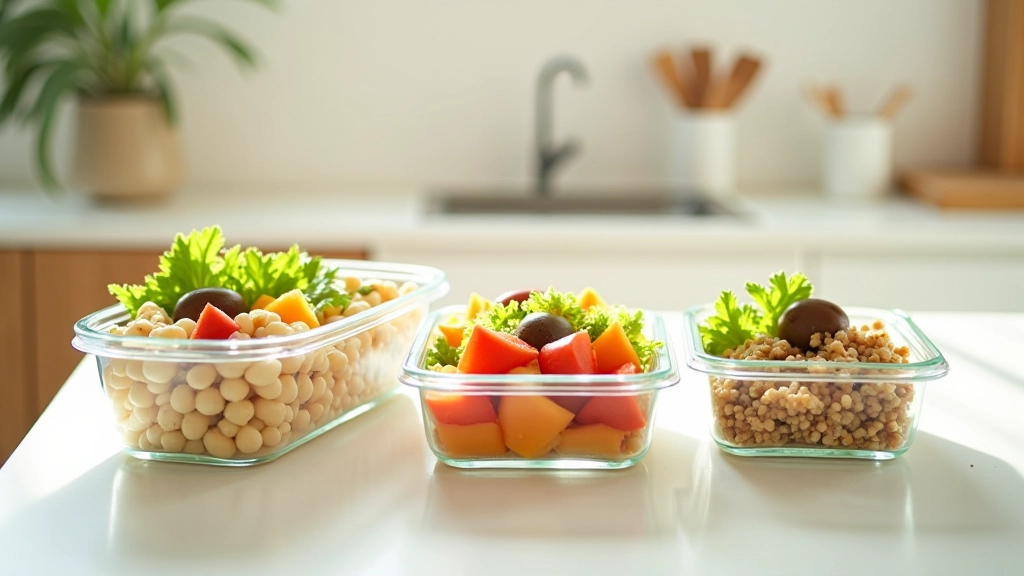
You’ve heard this advice before, but it actually works. Spending two hours on a Sunday cooking large batches of rice, stir-fried vegetables, and braised meat means you’ve got meals ready to go for the next 4-5 days. That’s time saved, money saved, and fewer temptations to order takeout.
The trick is choosing recipes that freeze well. Stews, braised dishes, curries, soups — these all improve with time and freeze beautifully. Roasted vegetables, ground meat preparations, and marinated proteins also work great. Fresh salads and delicate fish? Skip those for batch cooking.
Most families don’t know where their food money actually goes. You might think you spend HK$3,500 per month on groceries, but when you track it properly, you realize it’s HK$4,200 — and you’re not sure why. The leaks are always the same: convenience foods, snacks, “quick” purchases, duplicate items because you forgot what you already had at home.
For one month, track every single grocery purchase. Use a simple spreadsheet or even a notebook. Categorize it: fresh produce, proteins, pantry staples, snacks, beverages. After 30 days, you’ll see patterns. Maybe you’re spending HK$600 a month on drinks and snacks your kids eat between meals. That’s HK$7,200 a year. Cut that in half by preparing snacks at home, and you’ve just freed up HK$3,600 for other priorities.
The tracking doesn’t need to be forever. Just do it long enough to identify the leaks. Then you can adjust and recheck every quarter to stay on track.
This article provides educational information about food budgeting strategies and household expense management. The strategies and tips shared here are general guidance based on common budgeting practices in Hong Kong. Individual circumstances vary significantly, and what works for one family may need adjustment for another. Prices, market conditions, and availability change regularly. Consider consulting with a financial advisor for personalized budgeting advice tailored to your specific situation and goals.
You don’t need to overhaul your entire food budget in one week. Pick one strategy from this article and implement it for the next month. Maybe you start with weekly menu planning. Or you try shopping at the wet market instead of the supermarket for vegetables only. Once that feels normal, add the next strategy.
The families that save the most money aren’t doing anything fancy. They’re planning ahead, shopping smart, cooking at home, and tracking where money goes. That’s it. Within 3-4 months, you’ll look back and realize you’re spending noticeably less while eating better food. And that’s a genuine win for your household budget.